
Mobile App Erfahrung im Casino verbessern und Stabilität für unterwegs sichern
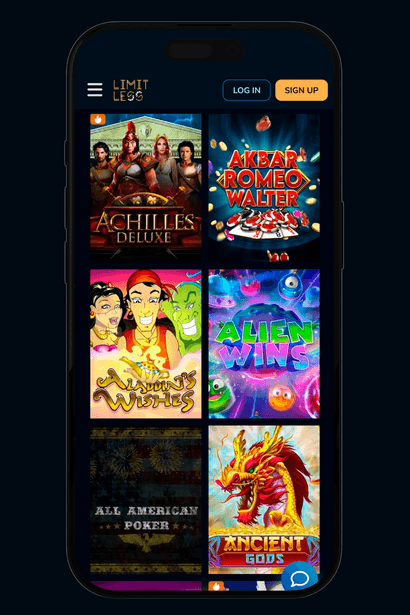
Mobile Casino Experience: App or Browser?
When we tested casino gaming on the move, one question kept returning in slightly different forms: should we use the dedicated app, or is the mobile browser already enough? It sounds simple, yet the answer changes with the device, connection, casino software, payment method, and even the kind of game we planned to play. A quick slot session while waiting for a train has different requirements from a longer live casino evening at home on Wi-Fi.
We approached this as a small editorial team rather than as people looking for a single winner. We checked registration flows, game loading, deposits, withdrawals, notifications, account security, and how well each option behaved on weak mobile data. Our impression was that apps generally feel more settled and direct, while browsers remain surprisingly flexible. Neither route is automatically better for every casino player, and that is probably the useful conclusion from the start.
What We Noticed in the First Few Minutes
The first difference is not really about graphics. Most reputable online casinos now use responsive sites that look clean on a modern phone. Slots scale properly, menus collapse neatly, and the cashier is usually designed for touch. In a browser, we could open a casino link and be playing in a short time, provided the site loaded well and the verification requirements were already handled.
An app has a different rhythm. There is an extra step before the first game because it needs to be installed, updated, and sometimes permitted to send notifications. Once it is ready, though, the experience tends to feel more focused. The casino is already there on the home screen, not lost between news pages, search tabs, work tools, and whatever else happened during the day.
We also found that the definition of “mobile-friendly” can be a little vague. A casino may have a mobile site, but its live dealer lobby could still feel cramped, its search tool could be slow, or its promotional pages could cover too much of the screen. The difference is not always visible in the lobby preview. It becomes obvious after a few real actions, such as filtering slots by provider, opening a bonus, then returning to a game without losing the session.
| Area | Casino App | Mobile Browser |
|---|---|---|
| Starting a session | Fast once installed and logged in | Fast for a first visit, no install needed |
| Navigation | Usually more consistent and app-like | Depends heavily on the website design |
| Updates | May require app updates | Changes appear as soon as the site is refreshed |
| Storage use | Uses device space and cached data | Usually lighter on permanent storage |
What a Casino App Can Give You
A well-made casino app removes tiny bits of friction. None of them is dramatic in isolation, but together they can make a difference. We saw quicker access to the lobby, smoother switching between favourite games, and fewer accidental taps on browser controls. In an app, the screen belongs to the casino session. There is no address bar above the game and no row of unrelated tabs underneath it.
A more contained playing environment
For players who prefer slots, this can be especially pleasant. Modern slots are busy by design, with animations, side menus, turbo options, jackpots, bonus information, and often a promotional banner around the game. On a browser page, even a good one, there can be one more layer of interface around that. In an app, the game frequently feels closer to full screen.
We noticed a subtle advantage when returning after an interruption. If a call arrived or we switched to a map, an app was often better at keeping its place in the casino lobby. This was not universal. A couple of apps still refreshed after sitting in the background too long, especially on phones using aggressive battery-saving settings. Still, the average result was steadier than reopening a browser tab that had been sleeping in the background.
Notifications can be useful, but not always welcome
Apps can send alerts for a new promotion, a free spins campaign, an updated jackpot, or an account message. That is useful if we are waiting for a withdrawal update or a response from support. It is less useful when the phone is already full of alerts. We would not call notifications a reason to install an app by themselves, but they can make account management more immediate.
There is a sensible middle ground. We preferred enabling security notifications and payment-related alerts, while treating promotional notifications more cautiously. Casino offers are designed to invite a return visit. That does not make them bad, but convenience should not turn into pressure to play more often than planned.
Biometric login and quicker checks
Many apps support fingerprint or face-based login after the first account sign-in. In our tests this was one of the most practical features. It is not merely about speed. On public transport or in a café, typing a password repeatedly can feel exposed, even if nobody is actually watching. Biometrics reduce that small concern and make it easier to lock access properly.
Of course, biometric access should sit alongside a strong account password, two-factor authentication where offered, and an updated device. We would also avoid saving casino login details on a shared phone. An app feels private, perhaps too private, but it is still linked to funds and personal verification documents.
What the Browser Still Does Well
The browser is often treated as the second-best option, which did not quite match what we saw. A polished mobile casino website can be excellent. Its strongest point is freedom. We could visit it from almost any current phone or tablet without asking for storage space, without installing another icon, and without waiting for an app store approval cycle.
This matters because casino apps are not always distributed in the same way across regions or operating systems. Some platforms offer an Android download, some use a progressive web app, some direct iPhone users to Safari, and others focus on a browser-first experience. The browser bypasses much of that uncertainty. If the operator supports the region and the site is licensed for it, we can generally access the full platform through a secure link.
It is also better for comparison work. When checking welcome bonus terms, wagering rules, game restrictions, payment pages, or responsible gambling settings, we liked being able to open separate tabs. An app can feel streamlined, but it can also make this kind of research slightly more enclosed. In a browser, it is easier to keep a casino’s promotional page open beside its general terms or a payment provider’s information page.
Instant updates without a download
Browser casinos update the moment the operator updates the site. A new slot category, changed tournament page, revised payment option, or improved live chat widget appears after refresh. Apps can be updated quietly in the background, but not always. We have all opened an app while travelling and found that it needs an update before it will start. That is a small annoyance, yet it tends to happen at exactly the wrong moment.
The browser can also be kinder to older devices. We tested on a newer phone and an older mid-range model. The newer device handled both routes easily. On the older phone, the app was smooth once launched but took more storage, while the browser remained perfectly adequate for ordinary slots and account tasks. Live dealer tables were another matter, but they demand more from any mobile setup.
Connection Stability and Gaming Away From Home
“Stability” is often blamed on the casino app or website, when the real cause is the mobile connection. We tested on home Wi-Fi, office Wi-Fi, 4G, 5G, and a deliberately poor connection near the edge of coverage. Slots generally coped well because much of the interaction arrives in short bursts. Live roulette, blackjack, and game shows were much less forgiving. When the connection dipped, the video stream became soft, paused, or disconnected.
In practical terms, the app had a slight edge when moving between networks. It appeared to reconnect a little more calmly after we left Wi-Fi and moved to mobile data. Browser tabs could recover too, but occasionally required a refresh. We should add that this was not a dramatic gap. A strong browser-based casino can handle network changes very well, and a poorly built app cannot fix a weak signal.
| Activity | What we observed | Safer approach while travelling |
|---|---|---|
| Slot spins | Usually resumed well after a brief interruption | Wait for the game balance to update before leaving the screen |
| Live dealer games | Video quality and timing suffered first | Use stable Wi-Fi or strong mobile data, avoid tunnels and lifts |
| Deposits | Interrupted redirects could be confusing | Do not repeat a payment until checking the cashier and bank alert |
| Verification uploads | Large files were slow on mobile data | Use secure Wi-Fi and keep document images clear but reasonably sized |
Small habits that protect a session
A few ordinary habits made more difference than we expected. We avoided placing bets while the signal indicator was clearly dropping. We waited for a game to confirm a result before closing it. And we did not rush to make a second deposit when a payment screen seemed stuck. Casinos and payment providers normally have transaction records, but duplicate attempts can create unnecessary confusion.
Battery settings matter too. Battery saver modes can limit background data and make an app look unreliable when it is simply being paused by the phone. If a casino app repeatedly logs out or loses a live game stream, we would check device permissions, background activity rules, and data-saving settings before blaming the operator. It is mundane troubleshooting, admittedly, but it worked more than once in our testing.
Payments, Security, and Account Access
For deposits and withdrawals, we did not see a universal app advantage. Both apps and mobile browsers usually open the same cashier, support the same payment methods, and apply the same identity checks. What changes is the path to the cashier. In an app, it may be one familiar tap away. In a browser, it may involve a few more page elements, though not necessarily more time.
We were more concerned with clarity than speed. A good casino cashier should show the deposit amount, selected method, any bonus choice, processing limits, and confirmation status without making us guess. This is important on a small screen. If payment information is cramped or a bonus opt-in sits too close to the deposit button, it becomes easy to make a choice without fully noticing it.
Security is mostly about the casino’s licensing standards and the player’s device behaviour, not whether the interface is an app or a browser. We looked for HTTPS in the browser, official download sources for apps, clear privacy policies, responsible gambling tools, and transparent customer support. An unfamiliar app file from an unofficial page is not something we would install, even if the casino name appears convincing.
Public Wi-Fi deserves its usual caution. Browsing a casino lobby over a café network is one thing. Logging in, uploading documents, or processing payments is another. We preferred mobile data or a trusted private network for anything connected to account access. A legitimate platform should use encryption, but secure habits still add a valuable extra layer.
Games, Bonuses, and the Things That Differ Less Than Expected
Many players assume the app gets more games, while the browser gets a trimmed version. That was not generally our experience. At established casinos, the core slot library was almost identical across both routes. Popular providers, jackpot games, table games, and live casino categories appeared in each. Sometimes a new game arrived in the browser lobby first, sometimes it appeared in the app first, but these differences were usually temporary.
The more meaningful difference was discovery. Apps often presented personalised rows, recently played titles, favourites, and quick category shortcuts more effectively. That made it easy to return to a familiar slot. Browsers could do the same, but the design varied more. Some mobile sites had excellent filters, while others made us scroll longer than necessary through large game collections.
Bonus visibility needs a careful read
Casino apps can make promotions more visible through banners and notifications, while browser pages can make their written terms easier to inspect in several tabs. This is where our preference was slightly split. For claiming a simple free spins offer, the app felt quick. For understanding whether a welcome package had a minimum deposit, game contribution limits, expiry period, or maximum cashout condition, the browser felt calmer.
We would not choose a casino solely because its app advertises more offers. A bonus is only useful when its conditions suit the games and budget involved. The same applies to tournament prompts, daily drops, and streak promotions. They may be entertaining, but they can also encourage extra sessions. We found it more sensible to set a budget first, then decide whether an offer actually fits it.
How We Would Choose Between Them
After comparing both formats, we would choose based on habit rather than on a rigid rule. For a player who uses one trusted casino regularly, keeps a reasonably modern phone, and values biometric login or quick access, the app is probably the more comfortable option. It feels tidy. It is usually reliable. And for short slot sessions, it reduces the minor clutter that browsers naturally bring.
For a player who explores several licensed casinos, reads bonus terms closely, has limited storage, or simply dislikes adding more apps, the browser is more than enough. It is especially practical for first-time research and occasional visits. There is no commitment, no update reminder, and no need to worry that an app version is behind the latest website changes.
We also think there is room for using both, even though it sounds slightly inelegant. We often preferred the browser for comparing welcome offers, reading account rules, and checking payment conditions. Once a casino had earned some trust and we knew we would return, the app became more appealing. It is not a contradiction exactly. It is just using the tool that suits the moment.
Conclusion
Conclusion: a casino app can improve the mobile experience through faster repeat access, biometric login, focused navigation, and somewhat smoother recovery when moving between networks. A mobile browser remains the flexible alternative, particularly for quick visits, comparisons, updates, and careful reading of casino terms. In our testing, stability depended more on the quality of the connection, the casino’s underlying platform, and sensible device settings than on the app-versus-browser choice alone. The best route is the one that feels secure, clear, and manageable, rather than merely the one that opens a game fastest.
FAQ
Is a casino app safer than playing in a browser?
Not automatically. Both can be secure when the casino is properly licensed, the browser connection is encrypted, and the app comes from an official source. We would focus on the operator’s reputation, account security options, and payment protections rather than assuming one format is always safer.
Do casino apps use less data than browser casinos?
Sometimes, but the difference is usually modest for ordinary slot play. Live casino streaming uses significantly more data in either format because it depends on continuous video. If mobile data is limited, we would reserve live dealer games for a stable Wi-Fi connection and monitor data use in the phone settings.
Can we claim the same bonuses in the app and browser?
Usually yes, although app-exclusive promotions and browser-only campaigns do exist. Before opting in, we would check the promotion page for eligibility, minimum deposit requirements, wagering rules, eligible games, expiry dates, and any maximum withdrawal condition.
What should we do if a game disconnects during a spin?
We would reopen the game and allow it to reconnect before taking further action. Reputable casino platforms record completed game rounds, so the result is normally reflected in the balance or game history. If it does not appear after a reasonable wait, customer support can check the round reference and account activity.